

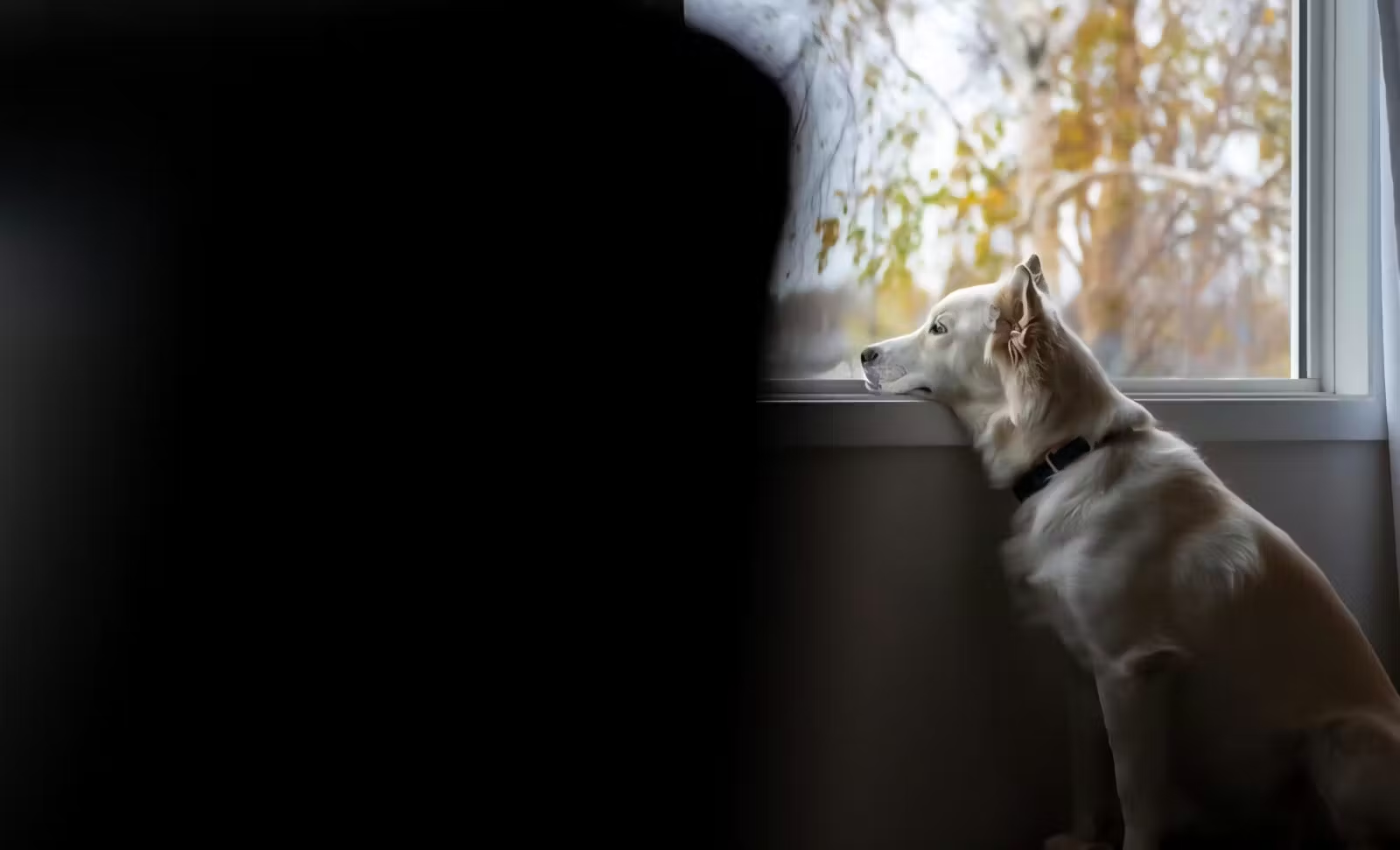
You know that moment when you're leaving for work and your dog gives you that look? Or when your cat won't stop following you around the house during a thunderstorm? They're not being clingy they're actually trying to tell you something.
Here's the thing about our pets: emotionally, they're like permanent toddlers. Your fully-grown dog has the emotional maturity of a 2-4 year old child, and your independent cat? About 2-3 years old in human terms. This is why they get so excited when you return from a quick shop run and why they genuinely need us when things feel overwhelming.
"At Hooman Group, we get it because we're pet parents too, navigating the same worries and wins alongside you."
The Signs They Can't Put Into Words
Because they can't say "I'm feeling anxious," our pets show us instead. And sometimes in our busy lives especially during those long, dark UK winter months we might miss what they're trying to communicate.
Watch for these changes:
- Behaviour shifts: Excessive barking, destructive chewing, or suddenly hiding away from family activities.
- Physical stress: Trembling during fireworks season, over-grooming that creates bald patches, or loss of appetite.
- Toileting troubles: Accidents in the house despite being fully trained.
- Energy changes: Sleeping far more than usual or losing enthusiasm for walks they used to love.

Small pets feel it too. Rabbits and guinea pigs might become aggressive toward companions or suddenly refuse their favourite treats.
Pro Tip: Take a photo of your pet during their happy, relaxed moments. When you're unsure if something's changed, compare their current behaviour to how they look in those pictures body language tells the whole story.
Where We Accidentally Go Wrong
Most of us love our pets so much that we sometimes create stress without meaning to. Sound familiar?
- The unpredictable routine: When your schedule constantly shifts (office Monday, WFH Tuesday, hybrid chaos Wednesday), pets feel unsettled. They thrive on predictability, regular feeding times, consistent walks, expected playtime.
- The lonely hours: Eight-plus hours alone without mental stimulation isn't just boring it's anxiety-inducing. Imagine being a toddler left alone all day with nothing to do.
- The protection trap: Shielding them from every new experience doesn't build confidence it actually increases anxiety. They need gentle exposure to life's variety.
"This is why we created Ezra, Hooman Group’s AI companion to help you spot these patterns, understand what your pet's behaviour is really telling you, and get practical guidance on keeping them mentally engaged, even during those long work days."
Pro Tip: Note eating times, energy levels, and any unusual behaviours of your pet. Patterns emerge quickly, and your vet will love having this info if you need their help.
What Actually Helps (From Real Pet Parents)
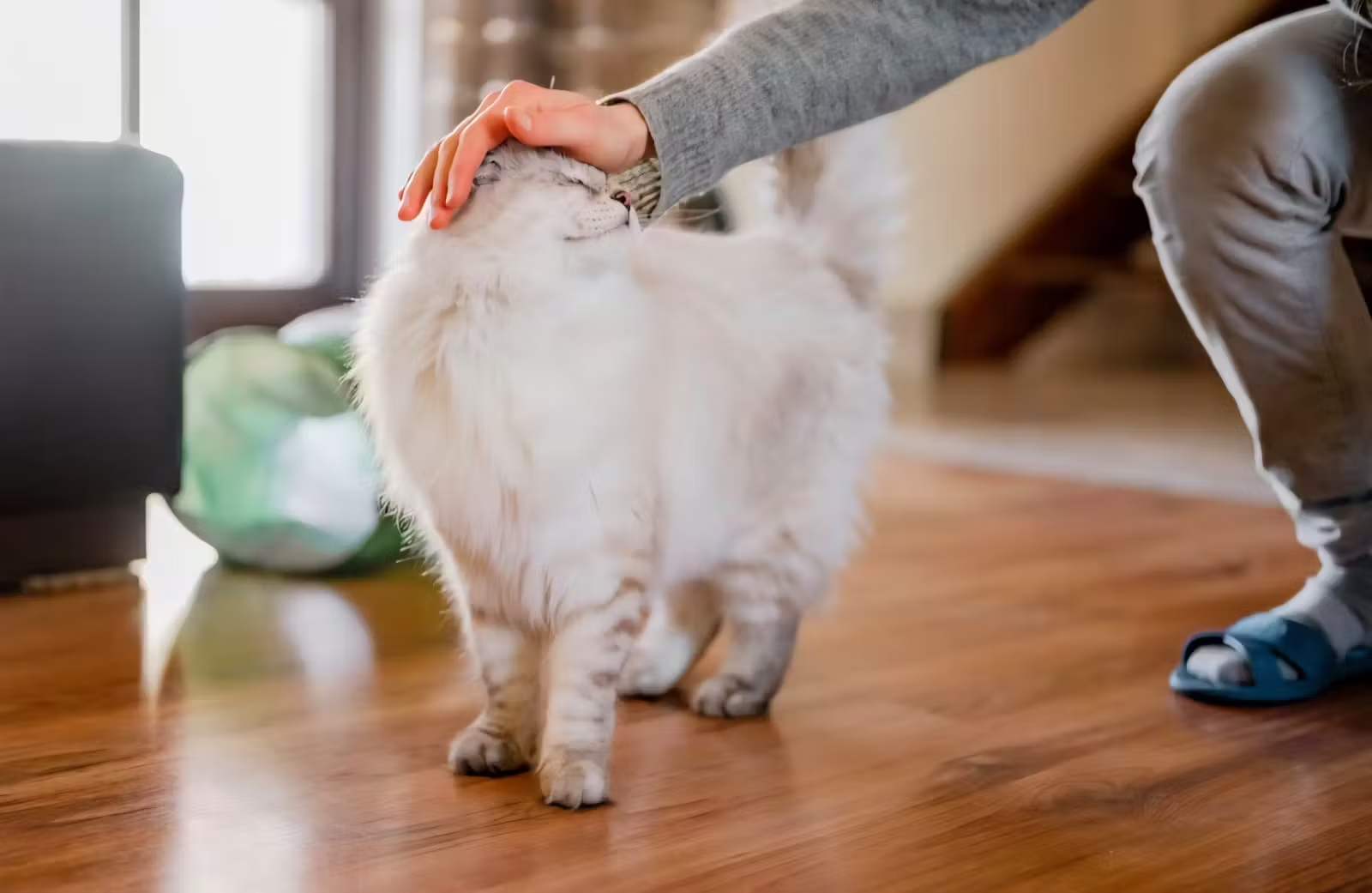
Keep a rhythm, even when life gets chaotic
Regular feeding and walk times create security. Even on weekends, try maintaining similar routines. It's like their safety net.
Make mealtimes mentally engaging
Puzzle feeders, snuffle mats, or hiding treats around the room turns dinner into an activity. It's not just about food it's about giving their brain something to do.
Create their safe corner
Every pet needs a quiet retreat that's entirely theirs. During storms or fireworks, this becomes their sanctuary. Add their favourite blanket, keep it dimly lit, and let them decide when to emerge.
Pro Tip: Leave an unwashed t-shirt you've worn in their safe space. Your scent is genuinely comforting when they're anxious it's like having you there even when you're not.
Tire them appropriately
A good walk or play session does wonders, but match it to their age and energy. Sometimes a sniff-filled twenty-minute wander does more than an hour-long run.
Try the calming classics
Gentle massage along their back, classical music playing softly, or pet-safe lavender can genuinely help. It's about creating a calm atmosphere they can sink into.
Pro Tip: Radio 3 or Classic FM left on softly when you're out isn't just background noise; studies show classical music actually lowers heart rates in anxious dogs and cats. It's like leaving them a calm companion.
When to Reach Out for Help
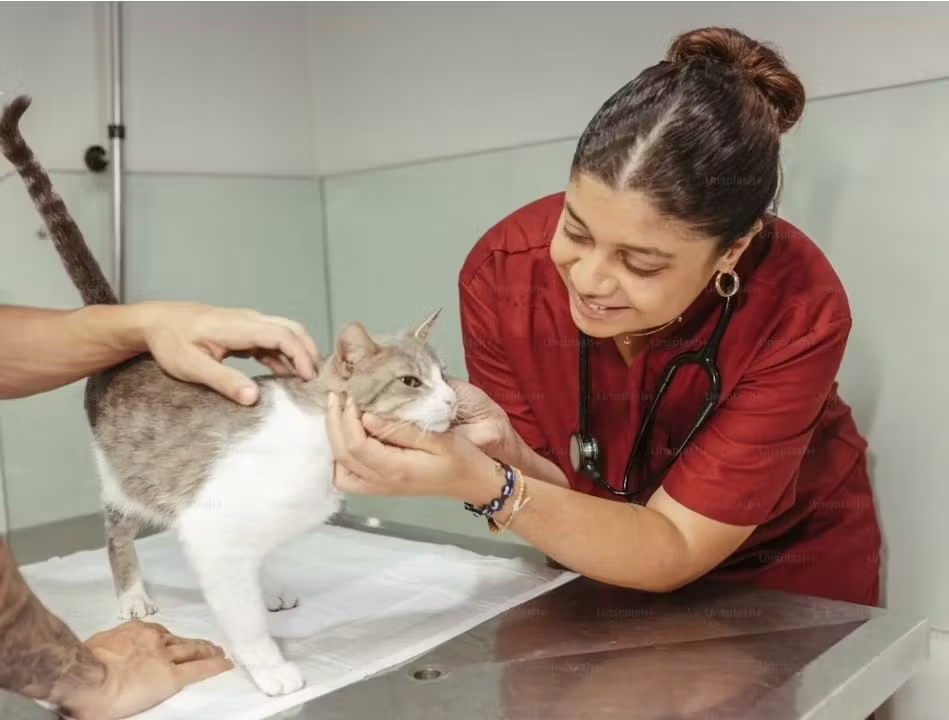
If you've tried these approaches and your pet's anxiety persists, chat with your vet. They can rule out medical issues and discuss whether behavioural therapy or medication might be helpful.
But here's what matters most: being a good pet parent doesn't mean being perfect. It means being present, noticing the small changes, and being willing to adjust as you learn what your pet needs.
You're Not Figuring This Out Alone
"Understanding your pet's emotional world can feel overwhelming. This is where Ezra comes in—think of it as having a caring, knowledgeable companion in your pocket, offering guidance that feels less like instructions and more like advice from a trusted friend who truly gets it."
Your pet's happiness doesn't require perfection. It requires attention, consistency, and a bit of trial and error. You're already doing the most important thing by being here, learning, and caring enough to ask these questions.
Ready to create a calmer, happier home for your pets?