


You know that feeling when you've had an absolutely rubbish day, and you walk through the door to a wagging tail or gentle purr? There's something about that moment that just shifts everything.
Here in the UK, where 30% of households have dogs and 23% have cats, millions of us experience this daily comfort. Science is now confirming what we've always felt: our pets aren't just companions they're quietly supporting our mental wellbeing in ways that even our closest human relationships can't quite replicate.
"At Hooman Group, we see it every day pet parents discovering that their companions are doing far more for their mental health than they ever realised."
What's Actually Happening When You Stroke Your Pet
That warm, calm feeling? It's biology doing its thing. Your body is literally rewiring itself: cortisol (your stress hormone) drops whilst oxytocin rises. That's the same bonding hormone that helps mothers connect with new-borns.
A comprehensive 2018 study in BMC Psychiatry followed over 1,700 people living with mental health conditions. The findings were striking: whilst pets couldn't cure mental illness, they provided profound support that helped people manage their conditions in ways other relationships simply couldn't match.
The Real Ways They're Helping (That You Might Not Even Notice)
They Give You Permission to Feel Without Judgement
When you're struggling with depression or anxiety, pets offer something precious: complete acceptance. No unsolicited advice. No concerned looks. Just presence. One study participant put it beautifully:
"Sometimes if I talk to the cat, perhaps it's like being in a confessional, I find I can address things that perhaps I wouldn't have done normally."
A safe space to express feelings without fear of becoming a burden.
They Give Structure When Everything Else Falls Apart

Depression erodes routine, making even getting out of bed feel monumental. But when a pet depends on you? That changes everything. Dogs need walks. Cats need feeding. These aren't burdens they're lifelines.
Research participants shared how pet care helped distract them from distressing symptoms, even suicidal thoughts. One person reflected:
"I was suicidal at one time. The thing that made me stop was wondering what the rabbits would do."
Pro Tip: Ezra, Hooman Group's AI companion, can quietly support you too. It helps track your pet's routine and gently reminds you of care tasks, creating structure even on days when your brain won't cooperate. Like having a caring friend who understands both your love for your pet and those days when just functioning feels impossible.
They Break Through Social Isolation
Mental health problems can be profoundly isolating. But pets become natural conversation starters.
As one person noted: "With these guys we develop friends who are into the same thing."
Common ground when direct interaction feels too daunting.
They Prove You're Capable
Successfully caring for another living creature? That's evidence you can cope. Study participants described how pets helped them maintain positive identities. One reflected:
"My best quality is that I love animals and I take care of animals."
Your pet validates your capacity to nurture, even when illness tries to convince you otherwise.
Mental Health Benefits Breakdown
| Mental Health Benefit | How Your Pet Helps | What Research Shows |
|---|---|---|
| Stress Reduction | Physical contact lowers cortisol and increases oxytocin | Measurable hormone changes during petting sessions |
| Daily Structure | Regular feeding, walks, and care routines | Helps manage depression by providing purpose and reason to maintain routine |
| Social Connection | Pets facilitate conversations and shared interests | Reduces isolation, particularly for dog owners in community spaces |
| Emotional Safety | Non-judgmental presence and unconditional acceptance | Creates safe space for expressing feelings without fear of criticism |
| Self-Worth | Successfully caring for another living being | Validates capacity to nurture and maintain positive identity as caregiver |
The Honest Bit: It's Not Always Easy
Let's be real. Pet ownership comes with genuine challenges.
- Financial costs can be significant.
- Housing restrictions often prohibit pets.
- The responsibility can feel overwhelming during severe episodes.
- And losing a beloved pet can be devastating.
These challenges don't negate the benefits, but they deserve acknowledgement.
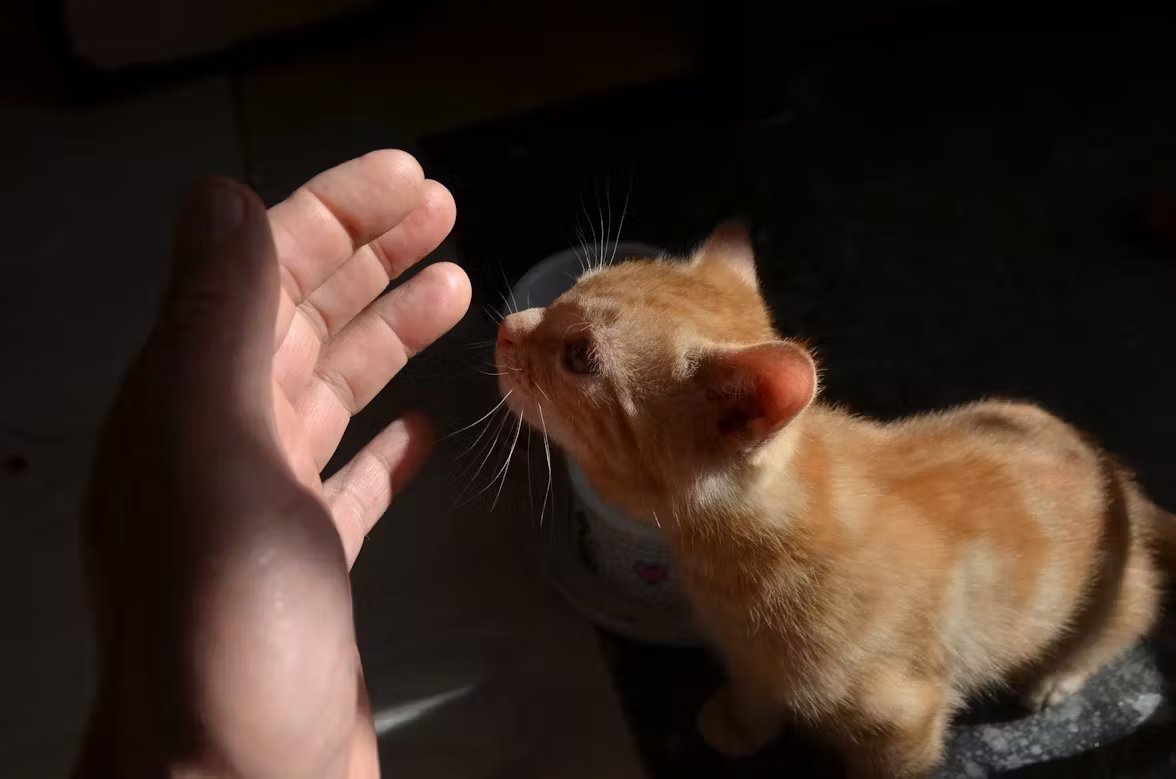
Pro Tip: Keep a simple journal noting how your pet affects your mood. Patterns emerge quickly, helping you appreciate what they're doing whilst spotting when responsibility feels too heavy.
Making It Work for Your Life
If you're considering a pet, match the animal to your circumstances. Be honest about your energy levels. Dogs require more care than cats or smaller animals. Consider rescue animals UK shelters are full of pets needing homes.
Talk to your healthcare team. Plan for difficulties: who'll care for your pet during hospitalisations? If uncertain, start small volunteer at animal shelters to experience the benefits without full commitment.
You're Not Managing This Alone
Understanding how your pet supports your mental health shouldn't feel like another thing to figure out. Ezra can help think of it as a knowledgeable companion who understands both your love for your pet and the real challenges of managing mental health.
The Bottom Line
Science confirms what pet owners have always known: animals offer something unique to our mental wellbeing. Structure, companionship, unconditional acceptance. But they're not a replacement for proper mental health treatment. Rather, they're one strong thread in a broader tapestry of support.
If you're struggling, you're not alone. The NHS provides support at www.nhs.uk/mental-health, and organisations like Mind (www.mind.org.uk) and Samaritans (call 116 123) are here to help.

And if you have a pet already? Take a moment to appreciate that companion. They're doing more for your wellbeing than they'll ever know.
If you're experiencing a mental health crisis, reach out to your GP, call NHS 111, or contact emergency services on 999.